Moving to Santa Rosa Beach Florida: What to Know Before You Relocate
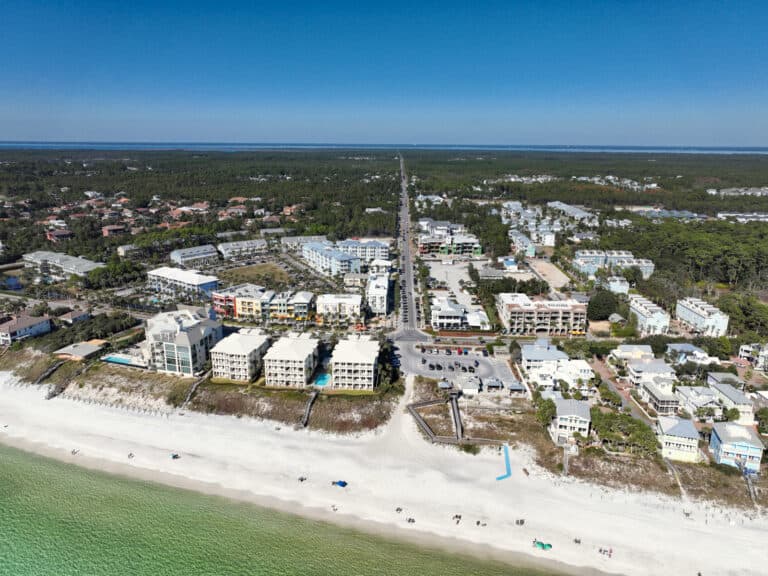
Many people first discover Santa Rosa Beach while visiting the beaches along Scenic Highway 30A.
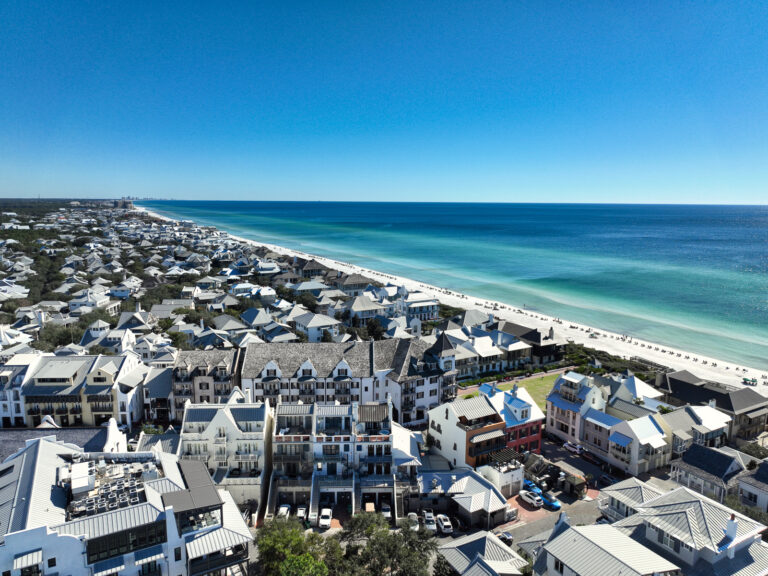
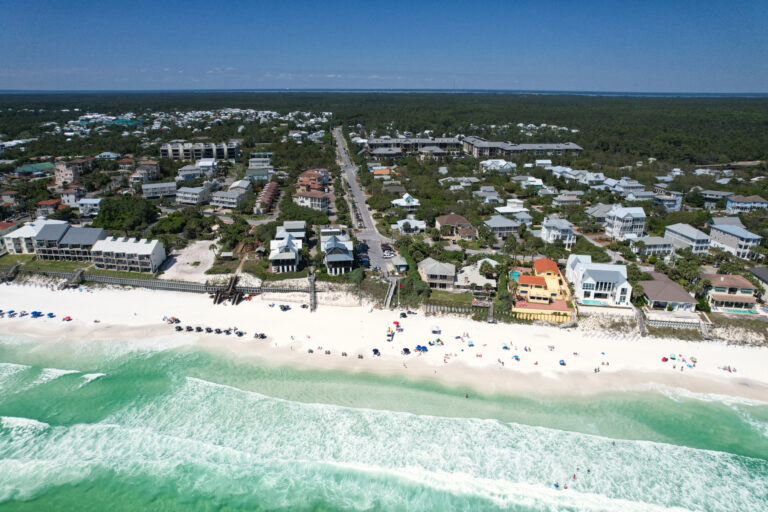
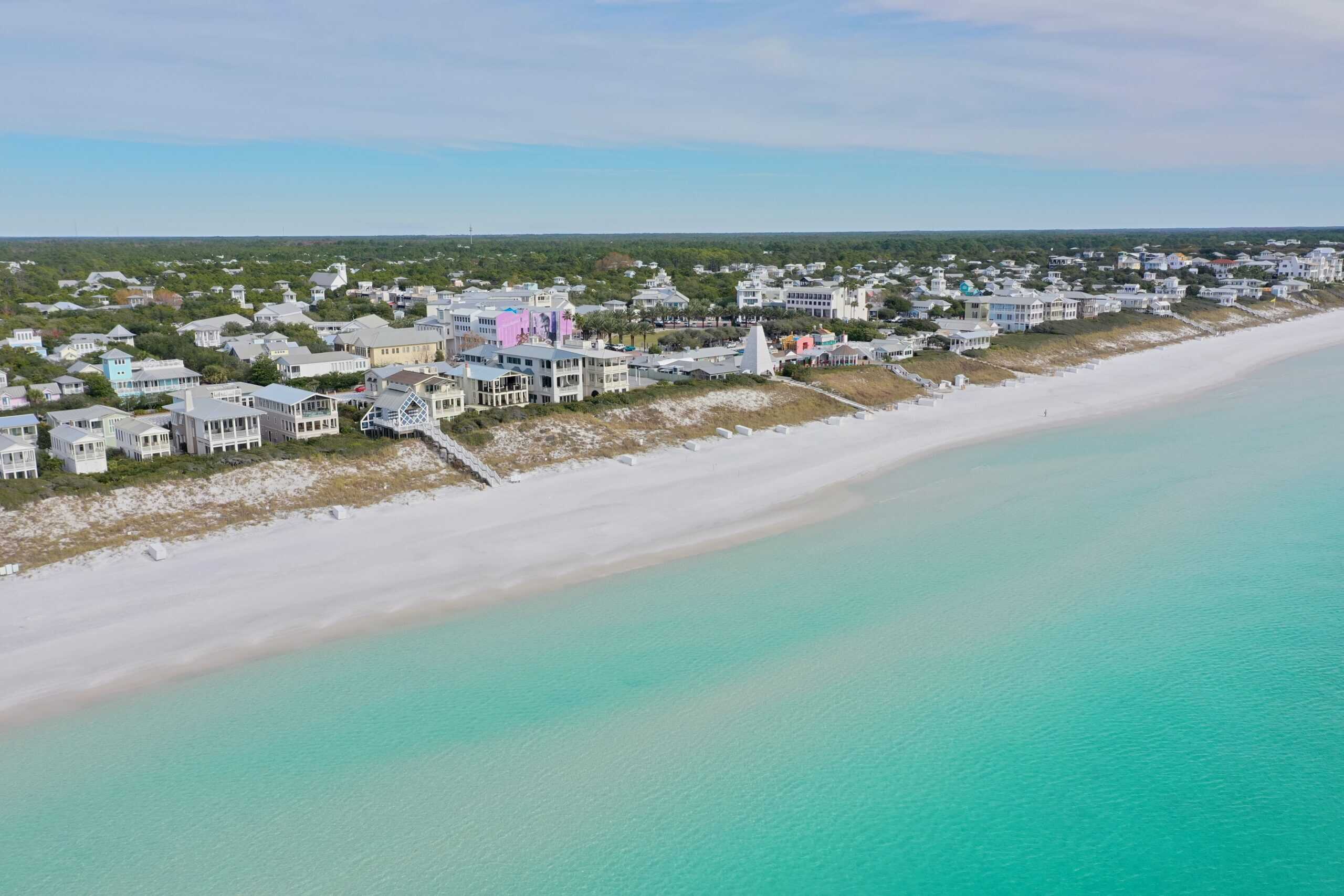
A vacation here can feel like paradise. White sand beaches, small coastal communities, and beach homes that look like something out of a magazine.
But living in Santa Rosa Beach full time is very different from spending a week here on vacation.
I have lived in Santa Rosa Beach for about six years, and before that I lived in several other parts of the Emerald Coast. Like many people who relocate here, I was drawn by both the lifestyle and the long-term growth activity happening across this section of Florida’s Gulf Coast.
What surprised me most after moving here is how quickly the area starts to make sense once you learn it. Once you understand the road network, the alternate routes, and the rhythm of daily life, the area becomes much easier to navigate than it first appears during a vacation visit.
If you are thinking about moving here, there are several things worth understanding first.
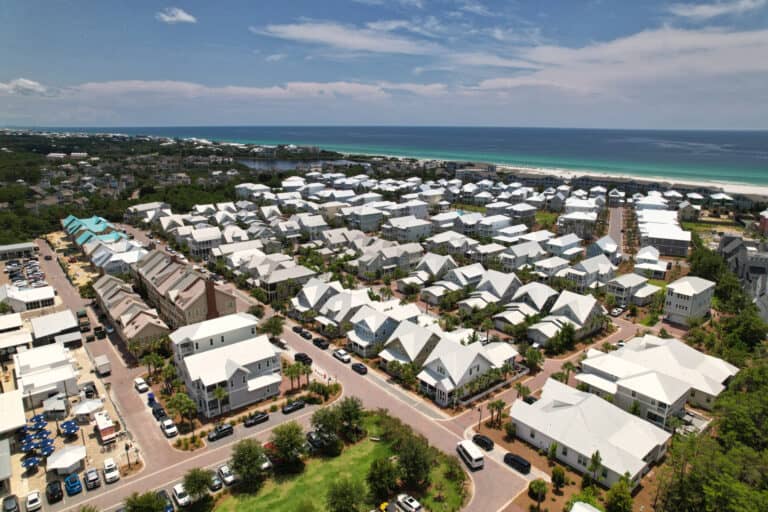
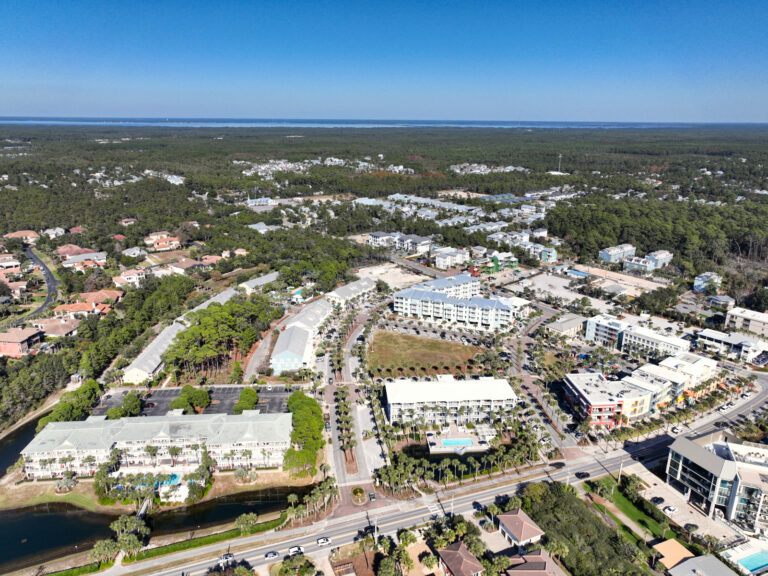
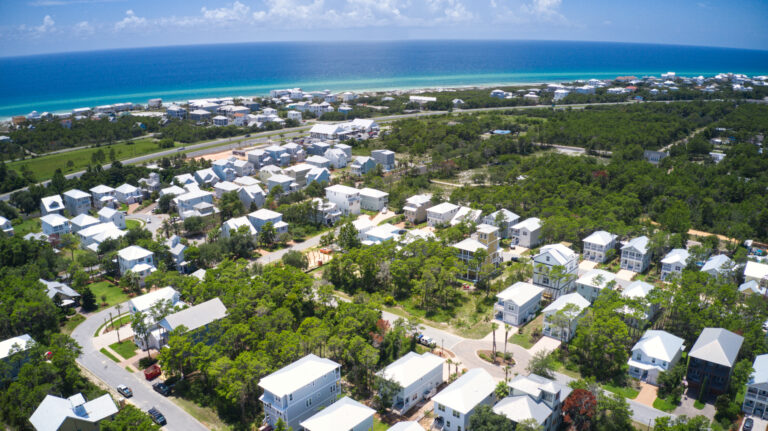
Santa Rosa Beach is part of South Walton County along Florida’s Emerald Coast and includes several communities connected by Scenic Highway 30A. Areas like Grayton Beach, Seagrove Beach, Blue Mountain Beach, Seaside, and Rosemary Beach each have different development patterns, beach access styles, and neighborhood layouts. Understanding how these communities fit together is one of the most important parts of choosing where to live.
Why People Are Moving to Santa Rosa Beach
Many people relocating to Santa Rosa Beach first became familiar with the area through repeat visits over time.
Historically, relocation activity has often come from Southeastern states within driving distance, along with metro areas across the country.
More recently, relocation patterns have expanded to include buyers from larger coastal cities and remote-work markets nationwide.
In many cases, people moving here are already familiar with the Emerald Coast before making a permanent move.
Visiting Santa Rosa Beach vs Living Here
One of the biggest misconceptions about Santa Rosa Beach is that it is always crowded or difficult to navigate.
Visitors sometimes leave thinking the area is extremely busy or overdeveloped.
Many residents experience the area differently once they understand daily traffic timing and alternate travel routes.
Locals quickly learn:
- which back roads help reduce drive times
- when errands are easiest to run
- when beach accesses are less active
- when restaurants are easier to visit
Living here is less about avoiding tourism entirely and more about understanding how the area moves throughout the year.
The Lifestyle of Living Near 30A
Lifestyle is one of the biggest reasons people ultimately choose to live in Santa Rosa Beach.
Daily life often revolves around:
- beach access points
- outdoor trail systems
- local businesses
- neighborhood-scale restaurants and coffee shops
- seasonal events across South Walton County
Early mornings and sunset hours along the Gulf are often when residents experience the coastline at its quietest.
Over time, many people describe the beach becoming part of everyday routines rather than something reserved only for weekends or visitors.
Pros and Cons of Living in Santa Rosa Beach
Before relocating, it helps to understand both the advantages and tradeoffs of coastal living.
Pros
- white sand Gulf beaches
- outdoor recreation access year-round
- multiple small coastal communities connected by Scenic Highway 30A
- lower-density development patterns than many larger Florida beach metros
Cons
- homeowners insurance variability near the coast
- seasonal tourism traffic patterns
- fewer large corporate employment centers locally
- coastal maintenance considerations
- infrastructure continuing to adjust alongside regional growth
Many buyers evaluate these tradeoffs early when planning a move to the Emerald Coast.
Living on 30A vs Near 30A vs North of Highway 98
One of the biggest decisions when relocating to Santa Rosa Beach is where to live relative to Scenic Highway 30A.
Each area offers a different housing layout and access pattern.
Living Directly on 30A
Living directly along Scenic Highway 30A places residents inside the coastal corridor itself.
Common features include:
- walking or biking distance to beach accesses
- proximity to restaurants and shops
- neighborhood-scale coastal development patterns
These areas also experience the highest concentration of seasonal visitors throughout the year.
Many buyers selecting these locations prioritize direct access to the beach lifestyle environment along 30A.
Living Between 30A and Highway 98
Neighborhoods located between 30A and Highway 98 offer proximity to the beach corridor while sitting slightly outside the most concentrated tourism areas.
Examples include:
- NatureWalk
- Camp Creek area neighborhoods
- Lakeside at Blue Mountain
- RidgeWalk
These communities include a mix of primary-residence and part-time occupancy patterns depending on the neighborhood structure and HOA guidelines.
HOA policies and short-term rental allowances should always be verified prior to purchase since they can change.
Living North of Highway 98
Areas north of Highway 98 include more year-round residential development patterns compared with the coastal corridor.
Examples include:
- Watersound Origins
- Point Washington
- Peach Creek
- Paradise Cove
- West Shore Place
Many buyers comparing locations across Santa Rosa Beach explore these areas because they offer different lot sizes, price ranges, and commuting flexibility within Walton County.
Point Washington in particular has a traditional neighborhood layout that feels different from the vacation-oriented sections closer to the Gulf.
Cost of Living in Santa Rosa Beach
Living near the coast includes several ownership costs that sometimes surprise buyers relocating from inland markets.
Insurance
Homeowners insurance can vary depending on elevation, proximity to the Gulf, construction features, and carrier availability.
Many homes also require flood insurance depending on FEMA flood-zone designation such as VE or AE zones.
Insurance availability and pricing can vary depending on elevation, distance from the Gulf, roof age, and coverage carrier options. Buyers typically verify wind coverage eligibility and FEMA flood-zone status early when planning a purchase in Walton County.
Homes located farther north of Highway 98 may experience different insurance structures compared with properties closer to the coastline.
Coastal Maintenance
Salt exposure can shorten the lifespan of some exterior components and mechanical systems.
Examples include:
- HVAC wear
- exterior metal corrosion
- increased outdoor maintenance schedules
These are normal ownership considerations across most Gulf-front regions of Florida.
Tourism and Seasonal Rhythms
Tourism is a normal part of life in Santa Rosa Beach.
The busiest stretch of the year typically runs from early spring through late summer.
Peak activity periods usually include:
- Spring Break
- summer vacation season
After Labor Day, traffic patterns and beach access activity often become noticeably lighter.
Many residents experience fall and winter as the most relaxed seasons along the Emerald Coast.
What Daily Life Looks Like in Santa Rosa Beach
A typical week often includes errands at stores such as:
- Publix
- Walmart
- local specialty markets
Health-focused stores like For the Health of It and butchers such as Coastal Rancher are also well-known locally.
Many residents also adjust routines by:
- planning errands outside peak afternoon traffic windows
- using alternate connector roads
- visiting the beach earlier in the day
- timing restaurant visits around seasonal patterns
What Residents Learn Quickly After Moving Here
Living here becomes easier once a few patterns become familiar:
- early mornings are often the quietest time at the beach
- alternate routes help reduce drive times during peak seasons
- fall and winter typically feel slower across the area
- summer requires some flexibility with travel timing
Santa Rosa Beach tends to work best for people who are comfortable adapting to a coastal tourism rhythm rather than expecting a year-round metro-style traffic pattern.
Final Thoughts
Santa Rosa Beach can be an excellent place to live, but it helps to arrive with realistic expectations.
This is not a resort environment every day of the year.
It is an active coastal community with seasonal tourism patterns, infrastructure expansion, insurance variability, and multiple neighborhood styles across the 30A corridor and greater Walton County area.
Many buyers find that once they understand how the area functions throughout the year, Santa Rosa Beach becomes much easier to evaluate as a long-term relocation decision.
If you are considering moving to Santa Rosa Beach and want to better understand the different neighborhoods and lifestyle options, feel free to explore more guides here on Santa Rosa Beach Living.
Santa Rosa Beach Living
A local guide to the lifestyle, communities, and everyday rhythm of life along Scenic Highway 30A.